Welsh Slate or Clay Pantile? Caring for Newcastle's Two Classic Roof Coverings
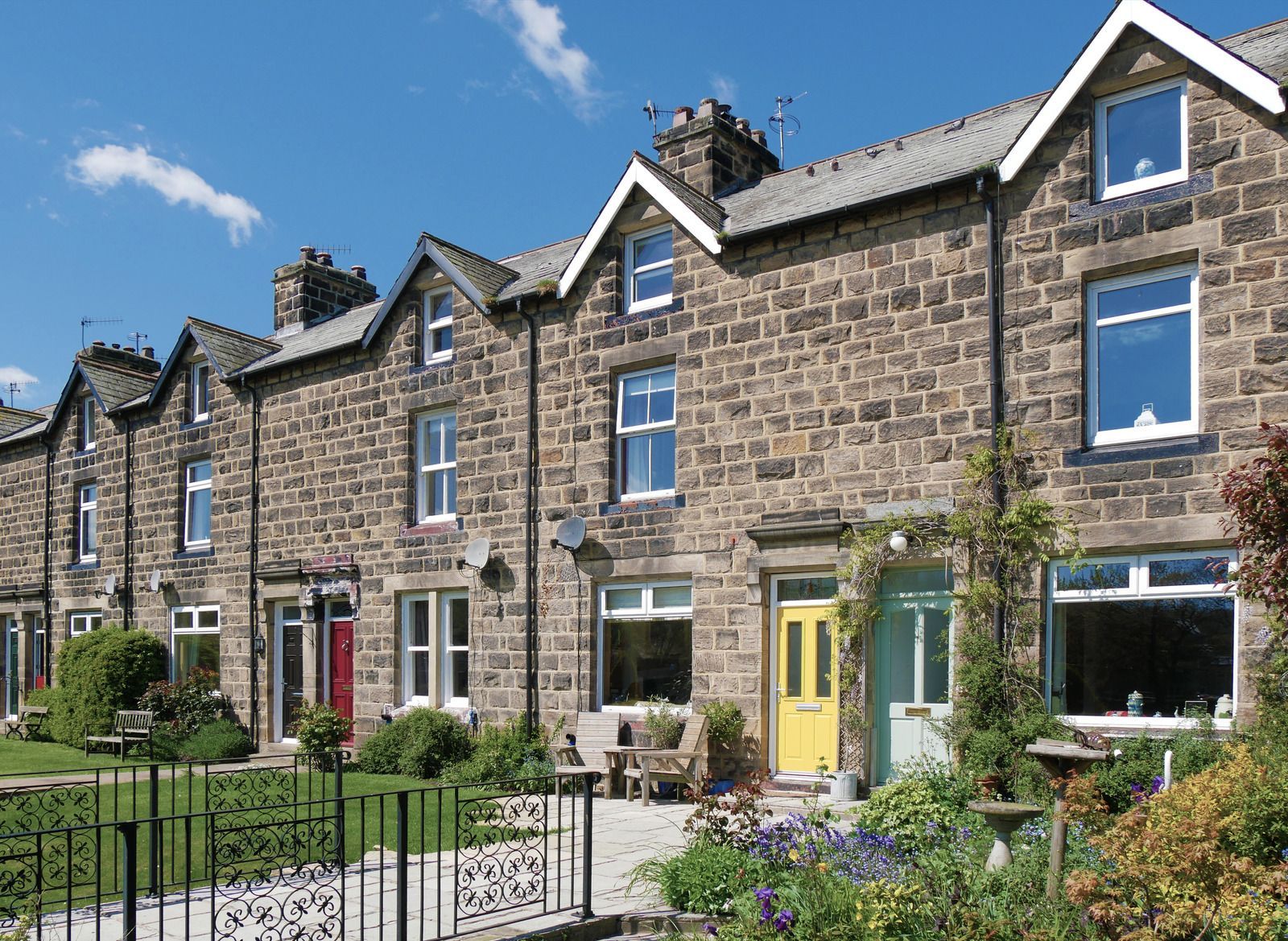
Look up at the roofs around Newcastle and you'll spot two old favourites again and again. There's the cool grey Welsh slate on the Victorian terraces, and the warm orange clay pantile that's part of the North East's building character going back generations. If your home wears one of them, it helps to know how it behaves before anyone climbs up to clean it.
The two materials age in very different ways, and what suits one can harm the other.
The quick answer: Welsh slate is thin, hard and smooth, and it needs gentle low-pressure cleaning so the surface isn't stripped. Clay pantile is thicker with a curved profile and a fired outer skin that shouldn't be scoured. Both hold moss in their own way, and both do best with soft washing rather than a pressure jet.
1. Welsh slate: the workhorse of the terraces
Most of Newcastle's Victorian and Edwardian streets are roofed in Welsh slate. It came up from North Wales by rail in huge quantities in the 1800s, and it's a genuinely brilliant material. Thin, dense and naturally water-resistant, good slate lasts well over a hundred years.
The thing to respect about aged slate is its surface. Decades of weather leave it slightly softened and a little rougher than when it was new. Blast that with a pressure washer and you scour the face, open up the grain, and leave it soaking up water instead of shedding it. That's why any clean on old slate has to be low-pressure work.
2. Clay pantile: the North East's warmer look
The pantile is the other classic you'll see across the region, with its distinctive S-shaped curve and warm orange-red colour. Pantiles have a long history in the North East and along the east coast, brought over centuries ago as ship's ballast from the Low Countries and then made locally.
A pantile has a fired outer skin that does the weatherproofing. Underneath that skin the clay is more porous. Chip or scour the surface and you expose the softer clay, which then takes on water and starts to break down in frost. So pantiles, like slate, want gentle handling.
3. How moss treats each one
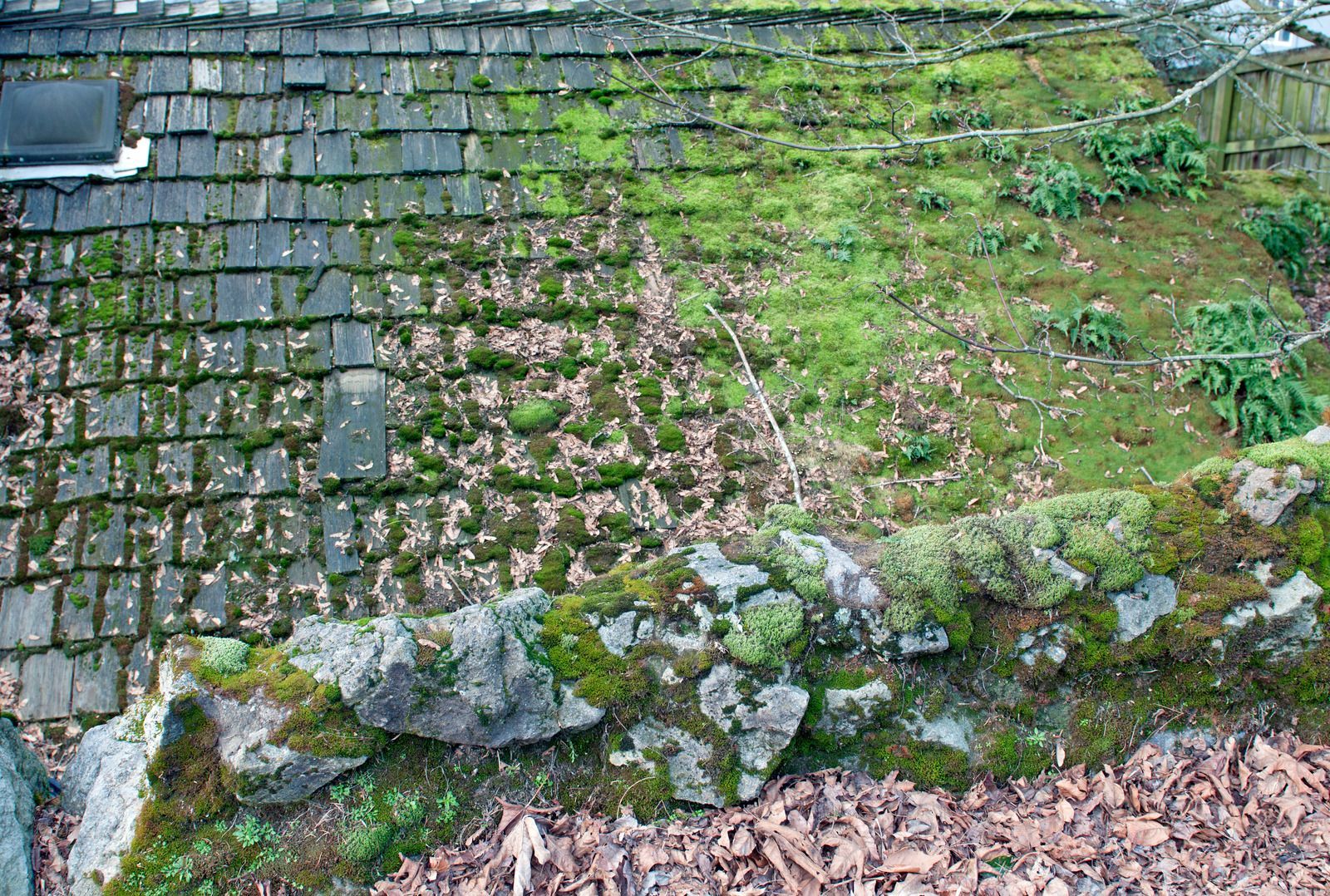
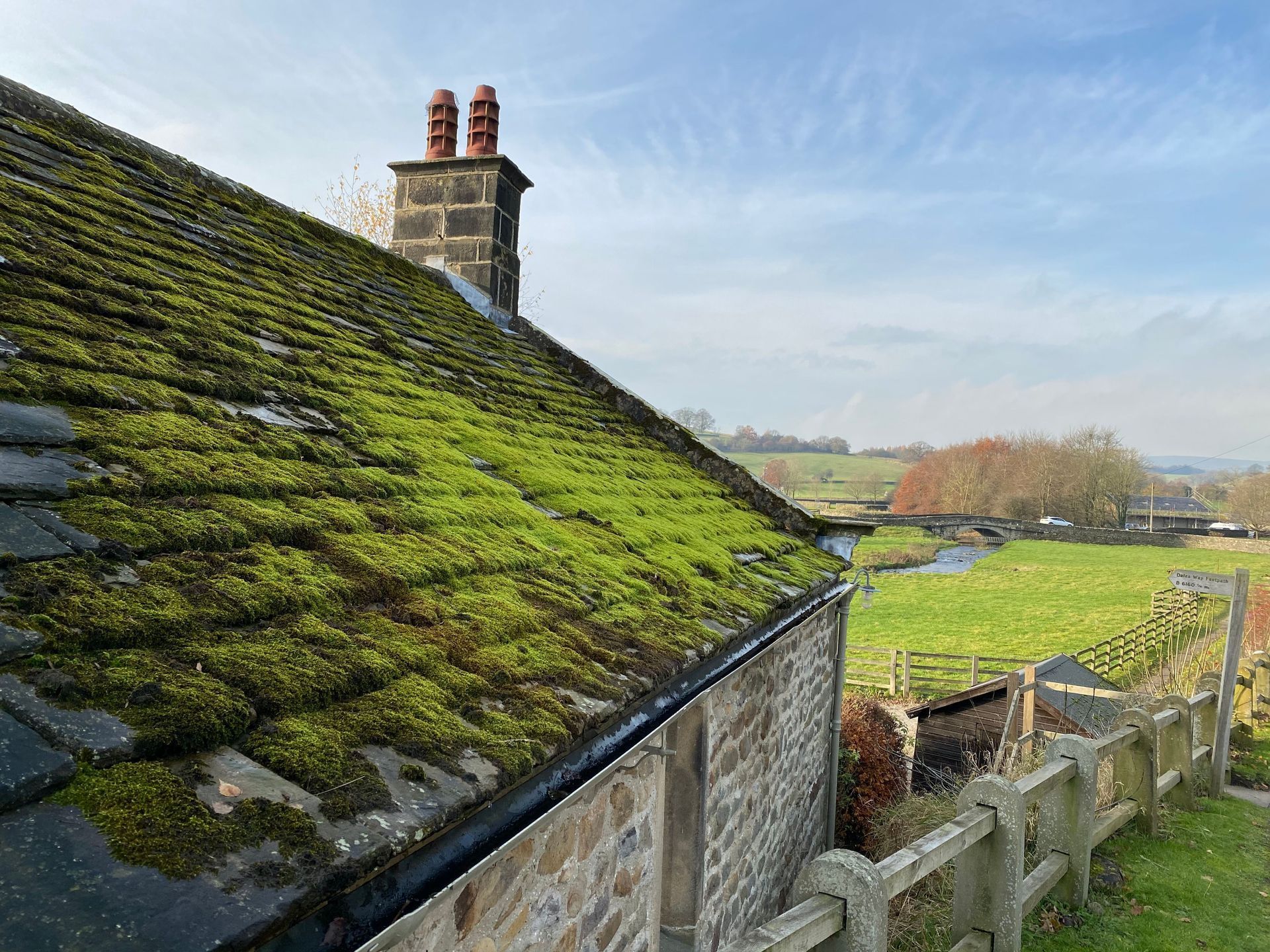
Moss settles differently depending on the covering. On smooth slate it tends to gather along the bottom edge of each piece and in the gaps between, where water lingers. On the curved trough of a pantile it collects in the low channel that runs down the roof, which is exactly where the water flows.
That pantile channel is the bit to watch. When moss fills it, water spreads sideways instead of running straight down, and it can creep under the overlaps. On slate the risk is more about clumps lifting the tail of each slate. Different shape, same underlying problem: growth in the wrong place pushes water where it shouldn't go.
4. Why pressure washing tempts people and why it's a mistake
A jet washer strips moss fast, and that instant result is exactly what makes it dangerous. On slate it erodes the weathered surface. On pantile it can crack the fired skin and drive water up under the tiles. Either way you often trade a green roof today for a leaking one next winter.
I've seen roofs where an afternoon of pressure washing did more harm than ten years of moss would have. The moss was cosmetic. The stripped, cracked surface it left behind was not.
5. What gentle cleaning actually involves
Soft washing works on both coverings. The heavy moss is cleared by hand and soft brush, then the roof is treated with a biocide at low pressure that kills the remaining spores. Over the following weeks the treated growth dies back and weathers away, and the slate or clay is left intact underneath.
It's slower than blasting, and it doesn't give you a dramatic before-and-after in one hour. What it gives you is a clean roof that still has its protective surface, which is the whole point.
A few things worth checking whichever covering you have:
- The ridge line , where old lime mortar can crumble and let moss and water in.
- The pantile channels , which clog in the middle of the run rather than the edge.
- Slate tails , the bottom edges, where clumps of moss tend to lift and slip tiles.
- Any replacement tiles that don't match, which often sit slightly proud and catch debris.
- Valleys and flashings , the metal joints, where growth and grit gather out of sight.
6. Matching the care to the material
You don't need to be a roofer to look after your roof well. You just need to know what's up there and treat it kindly. Slate and pantile both reward gentle, regular attention and both punish a rushed pressure-wash. Get someone up to look before there's a problem, and the covering your house has worn for a century will keep going.
Frequently Asked Questions
How do I tell slate from pantile?
Slate is flat, thin and grey. Pantile is thicker, curved in an S-shape and usually orange-red. From the street, flat and grey means slate, wavy and warm-coloured means pantile.
Is one better than the other?
Both are excellent when looked after. Slate is prized for its long life, pantile for its character and the way it sheds water off its curve. Neither is a poor choice.
Can the same cleaning method be used on both?
Yes, soft washing suits both. What neither can take is high-pressure jetting, which damages the surface of slate and cracks the skin of pantile.
My roof has a few mismatched replacement tiles. Does that matter for cleaning?
It's worth flagging. Newer tiles sometimes sit a touch proud and gather debris, so they get a closer look during a clean, but they don't stop the job.
Does moss damage clay pantile faster than slate?
Not faster as such, but it gathers in the pantile channel where the water runs, so a blocked pantile can spread water under the tiles sooner than you'd expect.
Not sure what your roof is made of or how to care for it?
Ben's Roof Cleaning knows Newcastle's slate and pantile roofs inside out, with over 15 years of experience across the region. Get in touch or call 0191 323 1965
for a free, no-obligation quote.
Know your covering, keep your roof
The grey slate and the orange pantile have kept Newcastle dry for well over a century between them. They've earned a bit of respect. Clean them gently, clear the moss before it settles into the gaps and channels, and skip the pressure washer that promises a quick result and leaves a slow problem. Treat the material the way it wants to be treated and it'll outlast all of us.