Why Newcastle Roofs Grow Moss Even in One of England's Drier Corners
You'd think a drier climate would mean cleaner roofs. Newcastle sits on the east coast, which gets noticeably less rain than Manchester or the Lake District, and yet the roofs here still turn green. If you've looked up at your own slates and wondered why the moss keeps coming back, you're asking the right question.
The rain total is only part of the story. What moss really wants is damp and shade, and the North East hands it plenty of both.
The quick answer: Moss doesn't need heavy rain to thrive. It needs a surface that stays damp and cool, and Newcastle's mix of North Sea moisture, long cold spells, sea fret and shaded north-facing slopes gives it exactly that. The rainfall is lower here than out west, but the roofs stay wet longer, which is what counts.
1. Rainfall isn't the whole picture
Newcastle gets somewhere around 650 to 700mm of rain a year. That's well below the wetter western side of the country. On paper it sounds like roofs here should stay cleaner for longer.
But moss doesn't count millimetres. It cares how long a surface stays wet. A roof that catches a light drizzle and then sits in cool, still, shaded air can hold that moisture for days. A roof out west might get a heavier soaking and then dry off in the wind by lunchtime. Wet-for-longer beats wet-in-total every time when it comes to growth.
2. The North Sea keeps things damp
Newcastle's weather comes with a strong maritime edge. Easterly winds pull moisture straight off the North Sea, and the region knows the sea fret well, that grey coastal mist locals call the haar. It rolls in off the water, sits over the city, and coats every surface in fine damp without a drop of proper rain falling.
For a roof, that's a slow constant top-up of moisture. Even on a dry-looking day, the slates near the coast at Tynemouth or Whitley Bay can stay clammy well into the afternoon. Moss and algae feed on that.
3. Cold slows the drying right down
The North East runs cooler than the south, and cold air holds less power to dry a surface. Through the winter months a shaded roof can go weeks barely drying out at all. The sun sits low, the days are short, and any slope that misses direct light stays damp from November to March.
That long cool damp season is prime growing time. While the rest of the house feels frozen and lifeless, the moss on a north-facing slope is quietly spreading.
4. Which way your roof faces matters most
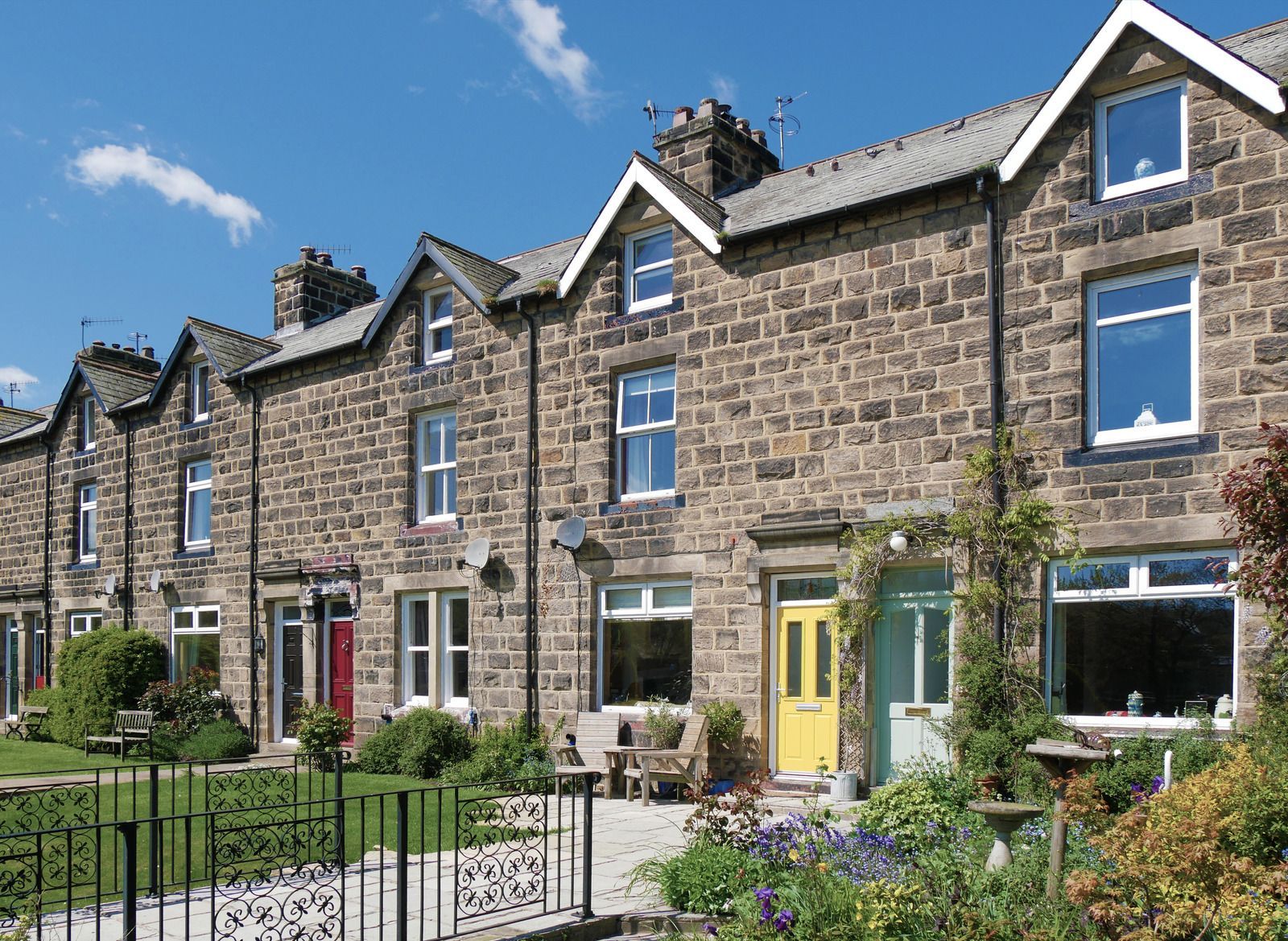
Two houses on the same Newcastle street can look completely different up top. The one whose main slope faces south and catches the sun stays fairly clear. The one facing north, or shaded by a taller building or a row of trees, greens over far faster.
North-facing slopes get the least sun and hold the most damp. If your mossy side is the one you rarely see from the road, that's usually why. It's not that your roof is worse. It just never gets the chance to dry.
Here's what tends to speed up moss growth on a Newcastle roof:
- A north or east-facing main slope that gets little direct sun through the year.
- Overhanging trees dropping shade, leaves and sap onto the tiles.
- A shallow roof pitch that drains slowly and holds surface water.
- Nearby taller buildings blocking afternoon light and airflow.
- Coastal exposure near the mouth of the Tyne, where sea air keeps everything damp.
5. What the moss is doing while it sits there
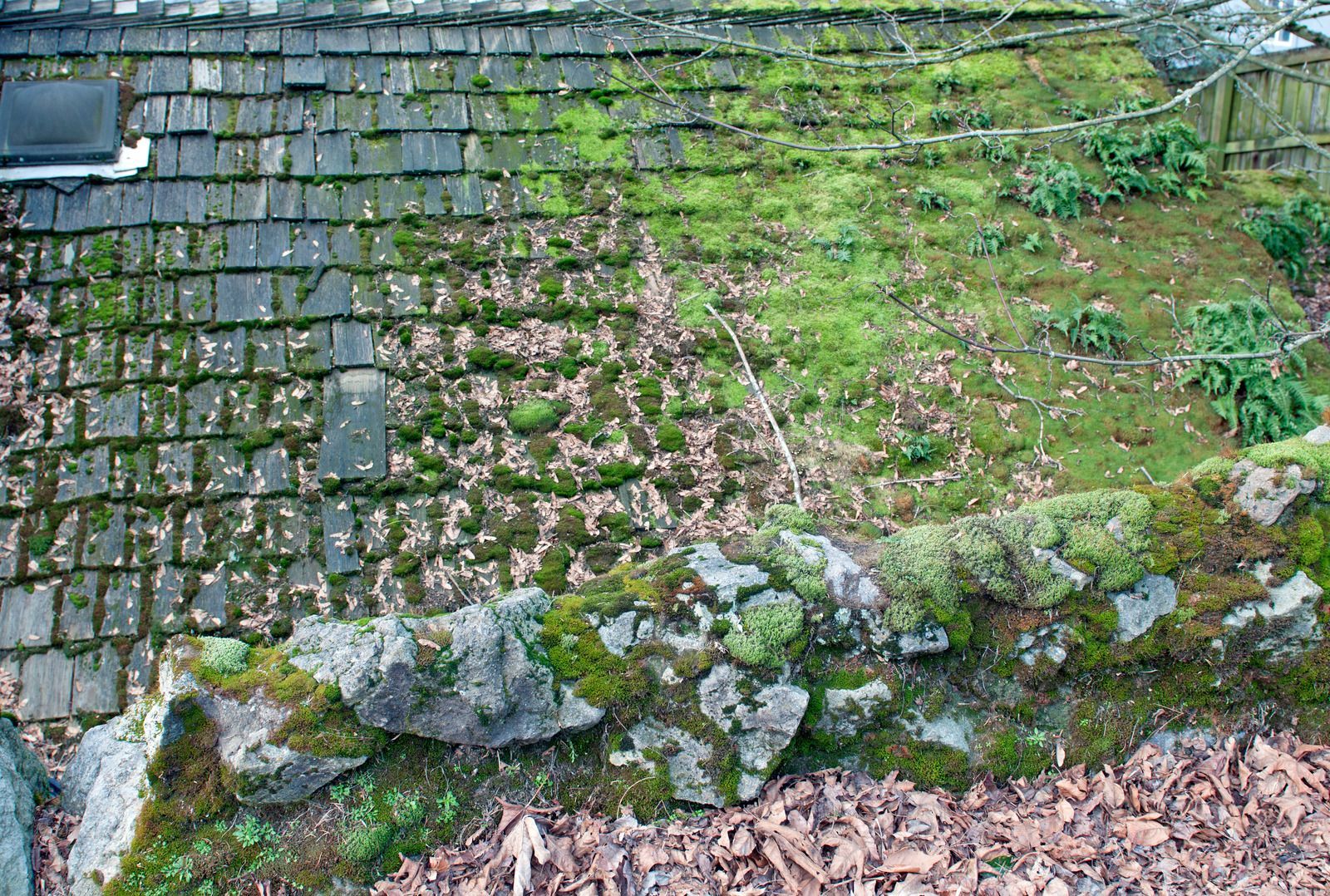
A thin green film is mostly algae, and on its own it's more of a cosmetic thing. The trouble starts when moss takes over, because moss has body to it. It holds water like a wet flannel pressed to the slate, and it creeps under the edges of tiles and lifts them slightly.
Once tiles lift, wind-driven rain gets underneath. Once water gets underneath and then freezes, it starts prising things apart. A green roof in October can become a leaking roof by February if the frost gets into the gaps the moss opened up.
6. Getting ahead of it rather than chasing it
You can't change Newcastle's weather or turn your house to face the sun. What you can do is stop the moss reaching the stage where it lifts tiles and blocks gutters. A soft wash with a proper biocide treatment clears the growth and slows how fast it returns, which is the part that actually saves you money.
The realistic goal isn't a roof that never grows moss. It's a roof you deal with on your terms, every few years, rather than one that surprises you with a leak in the middle of winter.
Frequently Asked Questions
If Newcastle is drier, why is my roof mossier than my sister's in the west?
Because her roof probably dries faster in the wind, while yours stays damp in cooler, stiller, shaded air. Time spent wet matters more than total rainfall.
Does the sea air near the coast really make a difference?
Yes. Homes near the Tyne mouth and the coast get a steady coating of moisture from sea fret and easterly winds, which keeps roofs damp even on dry days.
Will moss ever stop coming back on its own?
Not in this climate. You can slow it right down with a biocide treatment, but a shaded North East roof will always tend toward green if it's left completely alone.
Is a north-facing roof always going to be worse?
Generally yes, because it gets the least sun and stays damp longest. It doesn't mean anything is wrong with the roof. It just needs looking at a little more often.
Can I just wait until it looks really bad?
You can, but it's cheaper not to. Thick moss lifts tiles and blocks gutters, so waiting usually turns a cleaning job into a repair job.
Tired of watching the moss come back?
Ben's Roof Cleaning treats and clears mossy roofs across Newcastle and Tyne and Wear, with over 15 years of experience. Get in touch or call 0191 323 1965
for a free, no-obligation quote.
The weather won't change, but your roof doesn't have to stay green
Newcastle's roofs green over not because it rains so much but because they stay cool and damp for so long. The sea keeps the air moist, the cold slows the drying, and the shaded slopes never get their turn in the sun. Knowing that, the fix is simple enough: clear the growth before it thickens, treat it so it comes back slower, and keep an eye on the side of the roof you can't see from the street.